
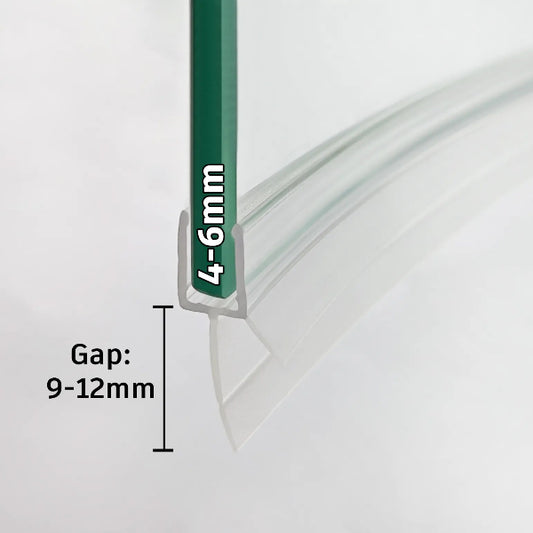

Curved Shower Screen Seal for 4–6mm Glass – 12mm Fin | V456S12CU
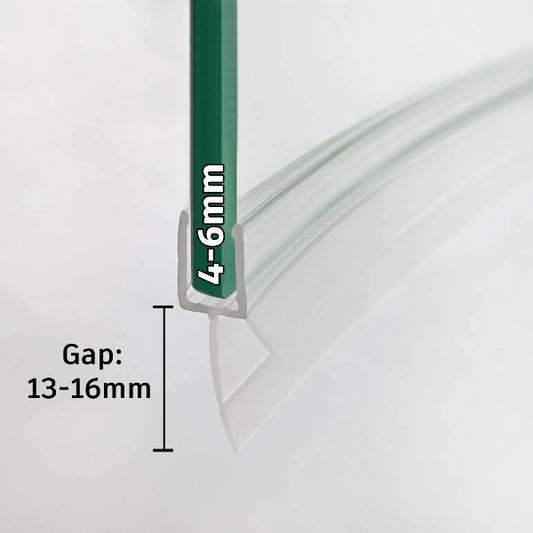

Curved Shower Screen Seal for 4–6mm Glass – 16mm Fin | V456S16CU
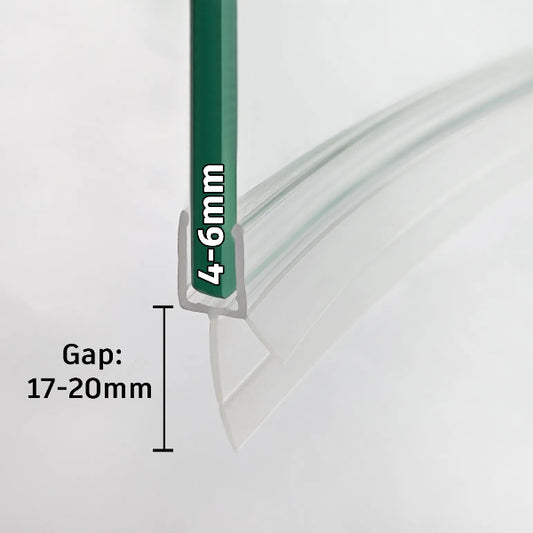

Curved Shower Screen Seal for 4–6mm Glass – 20mm Fin | V456S20CU
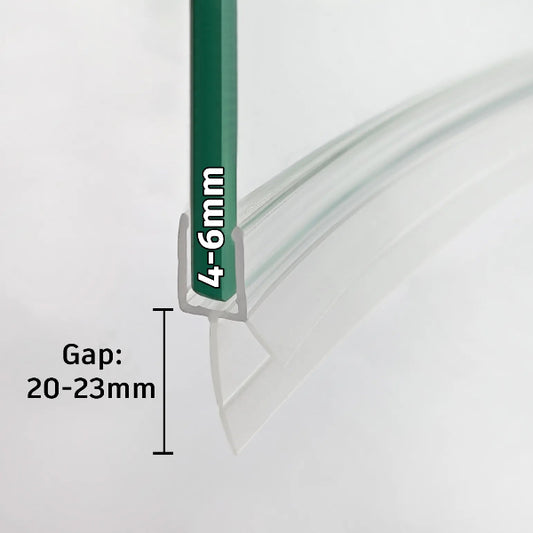

Curved Shower Screen Seal for 4–6mm Glass – 23mm Fin | V456S23CU
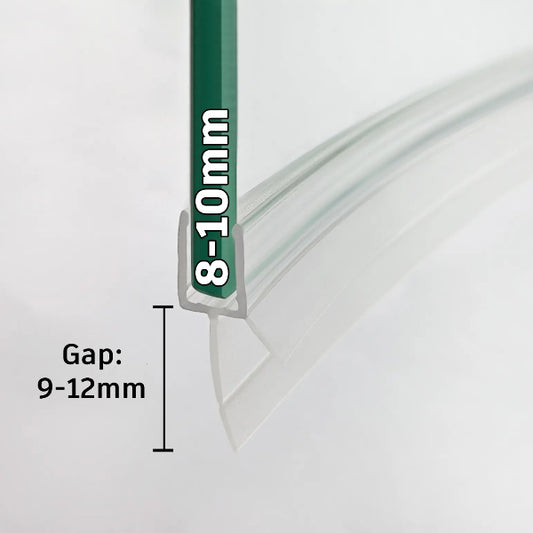
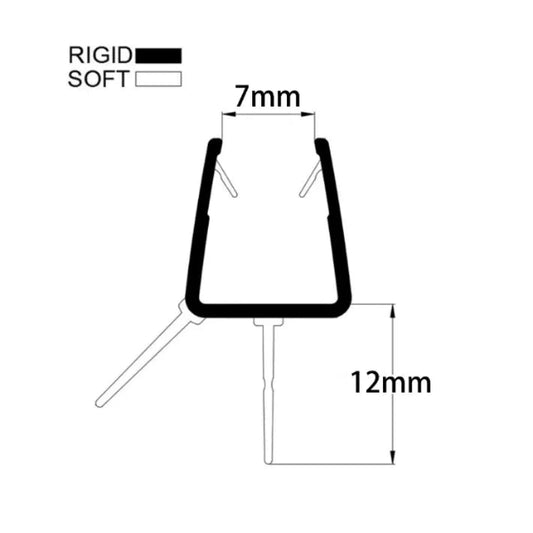
Curved Shower Screen Seal for 8–10mm Glass – 12mm Fin | V810S12CU
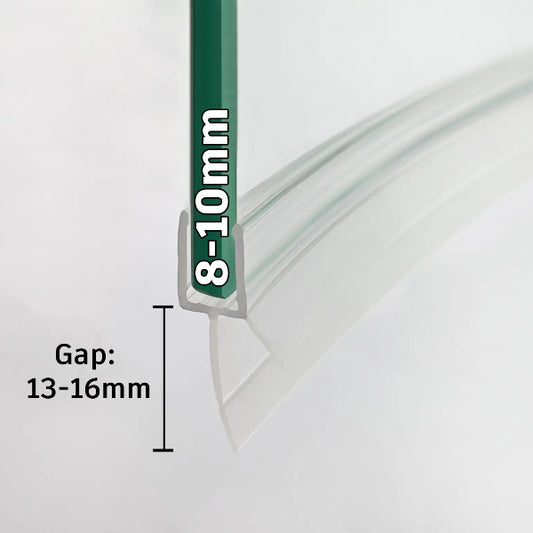
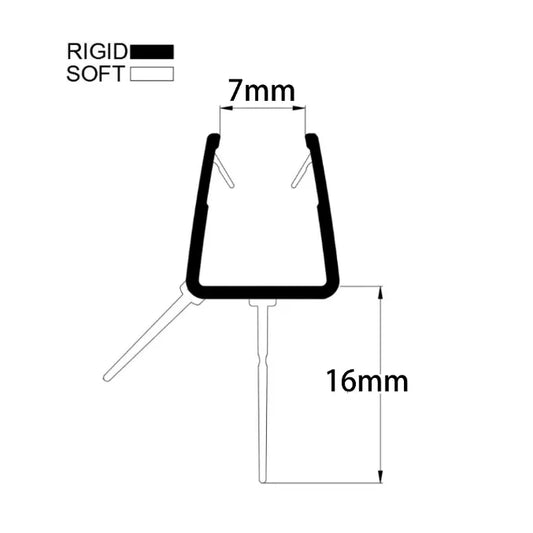
Curved Shower Screen Seal for 8–10mm Glass – 16mm Fin | V810S16CU
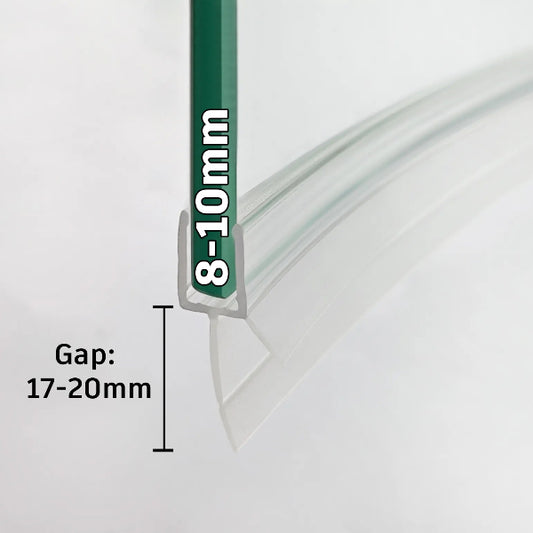
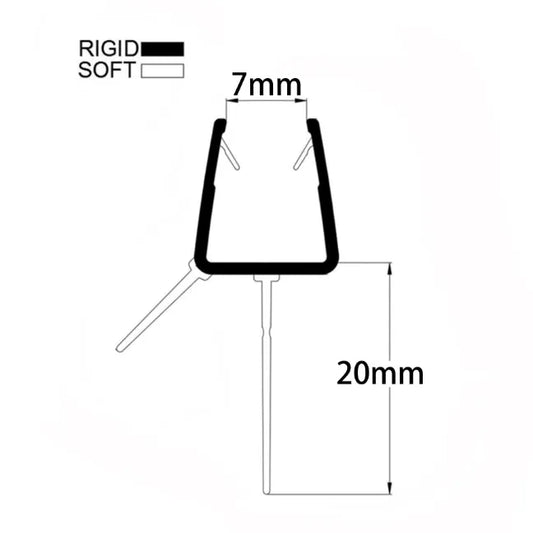
Curved Shower Screen Seal for 8–10mm Glass – 20mm Fin | V810S20CU
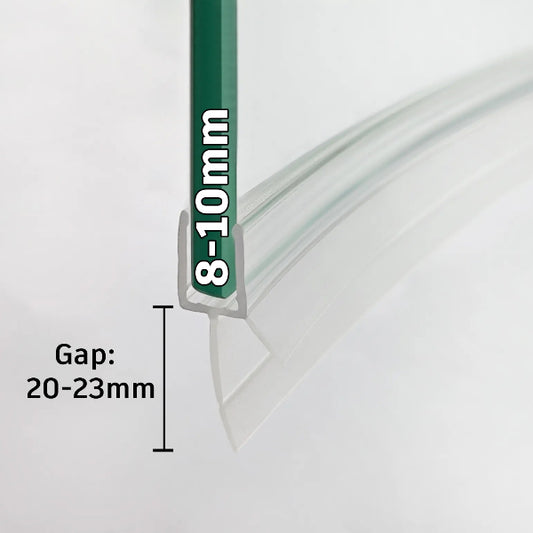
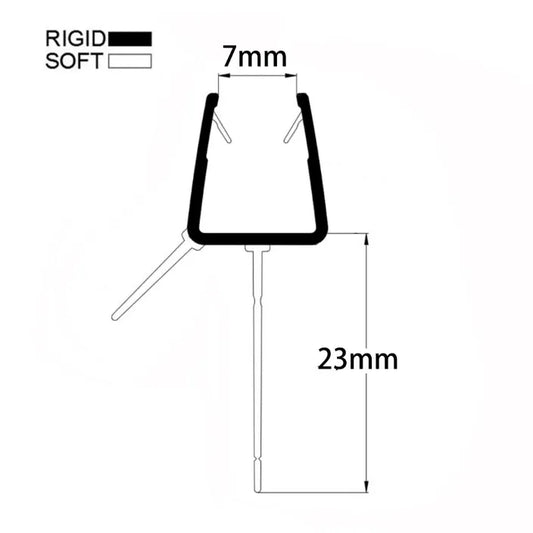
Curved Shower Screen Seal for 8–10mm Glass – 23mm Fin | V810S23CU
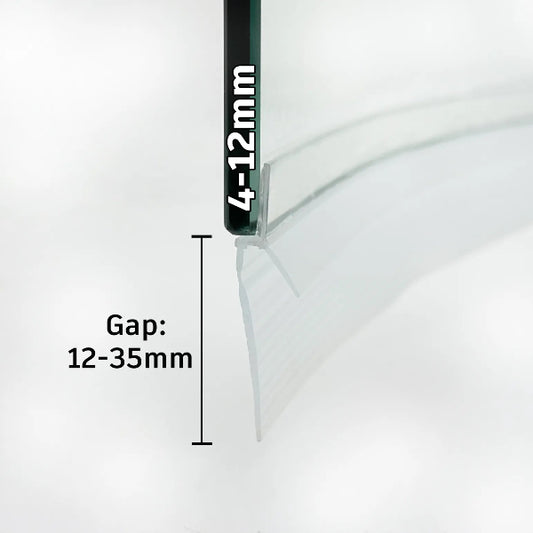

Self-Adhesive Curved Bath Screen Seal Trim – 12–35mm Gap | V312S1235F
Why Buy Your Curved Seal from SIMBA?
Curved shower screen seals can look very similar, but if the glass thickness, bottom gap, fin length or manufactured curve does not match, the seal may be difficult to fit, lift at the ends or still allow water to escape.
Each SIMBA curved seal is listed by glass thickness, bottom gap and fin size, with clear product images, profile diagrams and videos to help you check the shape, flexibility and bending performance before ordering.
- Curved-specific profiles, not standard straight seals forced onto curved glass
- Clear size matching by glass thickness, bottom gap and fin size
- Product videos to check flexibility, profile shape and finish
- Send us a photo and measurements before ordering if unsure
- Cut to size at home; unused and uncut seals can be returned under our returns policy
Unsure which seal fits? Send us a photo of your old seal, glass thickness and bottom gap before ordering.
Message us on WhatsAppA cheaper universal seal may cost less upfront, but the right curved profile can help reduce repeat orders and refitting.
Real Installation Gallery
See how our curved seals fit in actual UK bathrooms.

Screen type: Curved bath screen, 4–6mm glass
Used: V456S16CU
Gap measured: approx. 14mm
Result: reduced leaking at the bath edge
Uploaded on 26/02/2026

Uploaded on 29/12/2025
Photos are from real UK customer installations. Results depend on glass thickness, gap size and screen alignment.
Curved Shower Screen Seal FAQ
Common questions about choosing, fitting and maintaining curved shower screen seals for quadrant enclosures, P-shaped bath screens and curved glass shower doors.
1. Can I use a straight seal on curved glass?
We do not recommend it. A straight seal is not shaped to follow curved glass, so it may kink, lift or come loose even if the glass thickness is correct.
For quadrant enclosures, curved shower doors and P-shaped bath screens, choose a curved shower screen seal instead. For the full explanation, read why straight shower door seals don’t work on curved glass doors .
2. Why does my curved shower seal lift at the ends?
The seal may be under tension, or the curve may not match the glass closely enough. If the U-channel is too tight, too loose or too rigid, the ends can lift after fitting.
A properly curved shower screen seal should sit naturally around the glass with less spring-back.
3. How do I fit a curved shower screen seal?
Most curved shower screen seals are fitted by removing the old seal, cleaning the glass edge, pressing the new curved seal onto the glass from one end, then trimming any excess after fitting.
For the full step-by-step guide, read how to fit a curved shower screen seal .
4. Do P-shaped bath screens need a specific seal?
Often, yes. A P-shaped bath screen usually has curved glass and sits above a bath rim, so the seal needs to match the curve, glass thickness and bottom gap.
Choose a curved shower screen seal with the correct fin size rather than relying only on the old seal shape.
5. What if water still leaks near the hinge or corner?
If the seal fits correctly but water escapes near the hinge or corner, the issue may be a small corner gap rather than the bottom seal itself.
For corner-specific fixes, read The Definitive Guide to Fixing a Corner of Shower Leaking .
- Choosing a selection results in a full page refresh.